November 16, 2026
Industrial facilities depend on specialized equipment to maintain production schedules, meet customer demands, and keep daily operations running. From large manufacturing machinery to automated production systems, these assets represent significant financial investments. However, even high-quality equipment can experience problems when electrical systems are improperly installed, poorly maintained, or exposed to unexpected power issues. Electrical failures can interrupt production, damage sensitive components, and create safety concerns for employees.
Protecting industrial equipment requires more than investing in reliable machinery. Businesses must also prioritize the electrical infrastructure that powers their operations. Working with qualified electricians can help facility managers identify potential problems, maintain electrical systems, and address issues before they result in costly downtime. Commercial electrical services provide the specialized knowledge needed to support complex industrial environments while helping businesses protect their equipment and maintain dependable operations.
Understanding Industrial Electrical Demands
Industrial facilities often have more complicated electrical requirements than typical commercial properties. Manufacturing equipment, processing systems, production lines, and automated machinery may require substantial amounts of electricity to operate. These systems also depend on consistent power delivery to function correctly. When electrical infrastructure cannot meet equipment demands, businesses may experience performance issues, unexpected shutdowns, or damage to important components.
Electrical systems must be designed around the specific requirements of the facility and its equipment. Factors such as voltage requirements, circuit capacity, distribution panels, and equipment placement all influence how electricity moves throughout a building. An improperly configured system can create unnecessary strain on electrical components and increase the possibility of failures.
Commercial electricians understand the demands associated with larger electrical installations and can help businesses evaluate their existing infrastructure. According to Fortis, commercial electricians are trained to adhere to codes specific to commercial spaces, including systems operating between 240 and 480 volts. This specialized knowledge is particularly important in industrial settings where electrical systems must accommodate powerful machinery and demanding operating conditions.
Preventing Damage From Electrical Problems
Electrical problems can affect industrial equipment in several ways. Voltage fluctuations, overloaded circuits, faulty connections, and damaged wiring can interfere with machinery performance. In some cases, these problems may cause equipment to shut down unexpectedly. More serious electrical issues can damage motors, control panels, and other sensitive components that are expensive to repair or replace.
One way to reduce these risks is through routine electrical inspections. During an inspection, electricians can evaluate wiring, connections, panels, and other electrical components for signs of wear or deterioration. Identifying these concerns early gives facility managers an opportunity to schedule repairs before a minor issue develops into a larger problem.
Electrical maintenance can also help identify circuits that are carrying more power than they are designed to handle. Overloaded circuits generate excess heat, which can contribute to equipment failures and increase fire risks. A qualified electrical professional can assess circuit capacity and recommend adjustments when the existing system does not adequately support operational demands.
Maintaining Consistent Power Distribution
Reliable power distribution is essential for industrial facilities that depend on multiple machines operating throughout the day. Electrical systems must deliver the appropriate amount of power to each piece of equipment without placing excessive demands on individual circuits or components. When distribution systems are improperly configured, certain areas of a facility may experience inconsistent performance or recurring electrical interruptions.
Commercial electrical services can help businesses evaluate how power is distributed throughout their properties. Electricians can inspect electrical panels, circuit connections, and distribution equipment to determine whether the infrastructure is meeting current demands. If a facility has added machinery or expanded its production capabilities, its original electrical setup may no longer be sufficient.
Upgrading electrical panels or modifying circuits may be necessary to accommodate additional equipment. These improvements can help distribute electrical loads more effectively while reducing the strain placed on existing components. Properly planned electrical upgrades also give businesses a foundation for future expansion.
Maintaining consistent power distribution is especially important for facilities that use computerized machinery or automated production systems. Even brief interruptions can affect production processes, disrupt programming, or require equipment to be restarted. Working with experienced electricians helps businesses maintain electrical systems that support their operational requirements.
Supporting Preventive Electrical Maintenance
Waiting until equipment stops working before addressing electrical concerns can lead to unnecessary expenses and operational disruptions. Preventive maintenance provides a more proactive approach by identifying potential problems before they interfere with daily activities. Rather than responding exclusively to emergencies, businesses can establish maintenance schedules that account for the condition and demands of their electrical infrastructure.
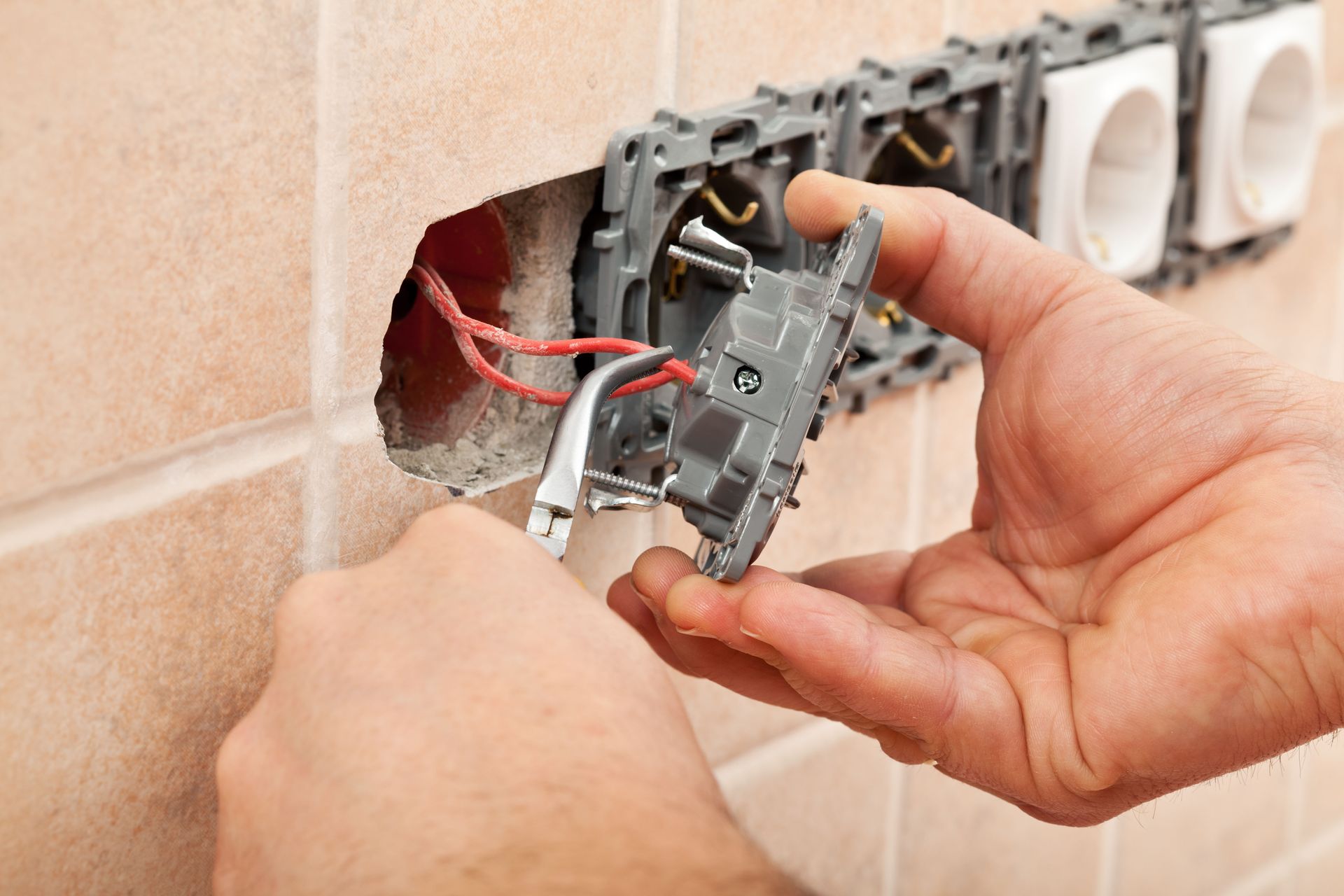
Preventive electrical maintenance may include inspecting wiring, testing connections, evaluating panels, and checking equipment power supplies. These tasks help identify components that may need attention because of age, wear, heat exposure, or changing electrical demands. Addressing these concerns during scheduled maintenance can reduce the possibility of unexpected failures.
Commercial electricians can also help facility managers determine which areas of a property require more frequent attention. Equipment that operates continuously or supports essential production processes may require closer monitoring than systems used occasionally. A maintenance plan should reflect the facility's equipment, operating schedule, and electrical requirements.
Another benefit of preventive maintenance is improved budgeting. When businesses have a clearer understanding of their electrical systems, they can plan for repairs and upgrades instead of facing unexpected expenses. This approach makes it easier to prioritize important improvements while reducing disruptions to production schedules.
Improving Workplace Safety and Compliance
Electrical safety is an important part of protecting industrial equipment, but it also directly affects employees and facility operations. Damaged wiring, exposed connections, overloaded circuits, and improperly installed equipment can create dangerous conditions. Electrical hazards may lead to shocks, burns, fires, or other serious incidents if they are not addressed appropriately.
Commercial electricians understand the electrical codes and safety requirements that apply to commercial and industrial properties. Their knowledge helps businesses maintain installations that meet applicable standards while supporting the safe operation of electrical equipment. Inspections and repairs can also reveal conditions that may not be immediately noticeable to facility employees.
Proper electrical installation is particularly important when businesses purchase new machinery or modify existing production areas. Equipment must be connected according to manufacturer specifications and applicable electrical requirements. Incorrect connections or inadequate power supplies can create safety hazards while potentially affecting equipment performance.
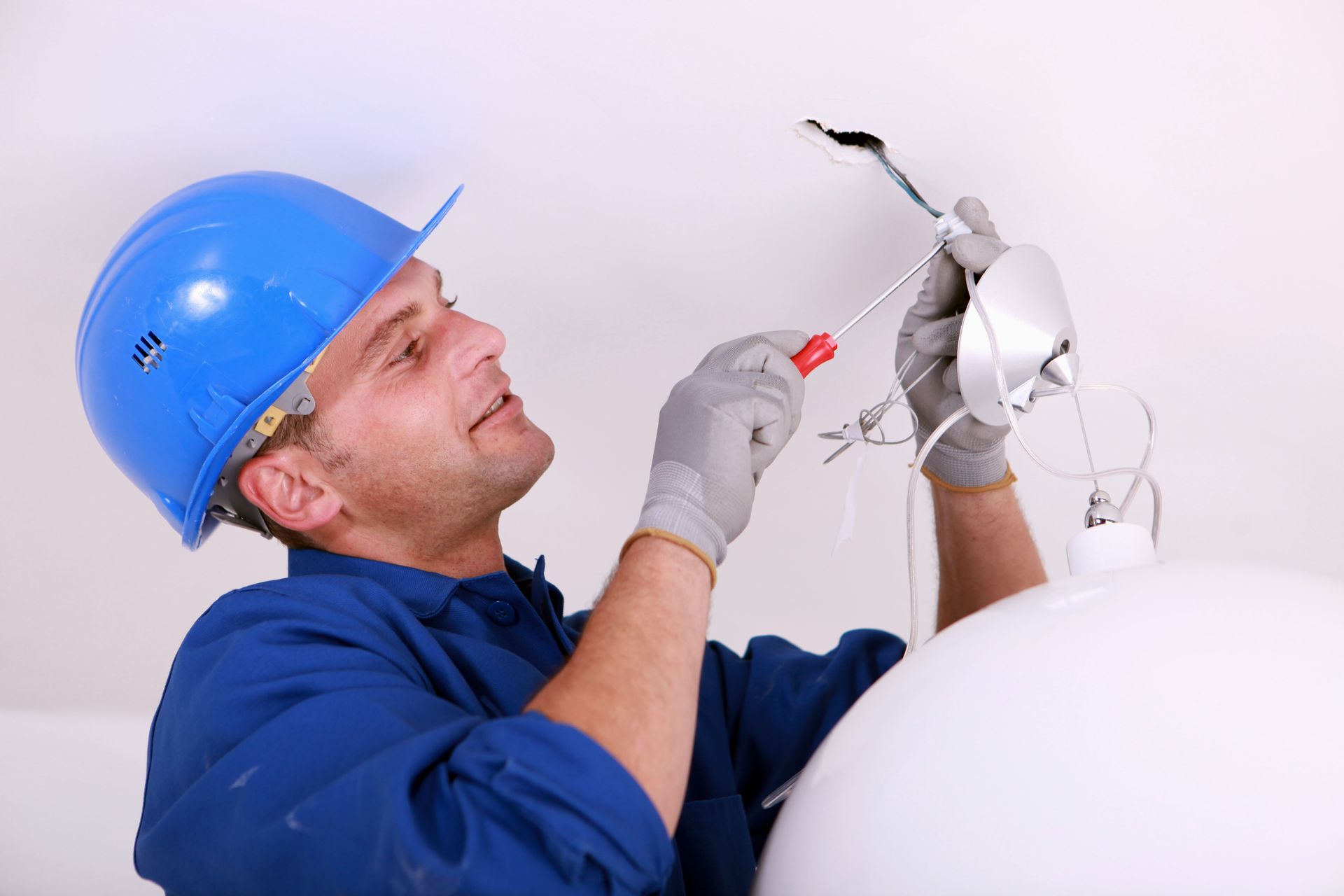
Businesses should also ensure that electrical work is handled by qualified professionals rather than relying on temporary fixes or unqualified personnel. Professional electricians can evaluate problems, recommend appropriate solutions, and complete necessary repairs with attention to safety and code compliance. Maintaining safe electrical infrastructure helps protect employees, equipment, and the overall facility.
Preparing Electrical Systems for Future Growth
As industrial businesses expand, their electrical requirements often change. Adding production lines, installing larger machinery, or incorporating automated technology can increase the amount of electricity a facility needs. Without appropriate planning, existing electrical infrastructure may struggle to accommodate these changes.
Businesses can avoid some of these challenges by considering future electrical demands when planning upgrades and renovations. Commercial electricians can evaluate existing systems and identify potential limitations before additional equipment is installed. This assessment helps facility managers understand whether their current panels, wiring, circuits, and distribution systems can support planned changes.
Electrical upgrades may involve installing additional circuits, replacing outdated panels, or improving power distribution. In some situations, businesses may need more extensive electrical modifications to support new machinery or changes in production processes. Planning these improvements can help reduce installation complications and prevent avoidable interruptions.
High-value industrial equipment represents a major investment, making its protection an important responsibility for facility owners and managers. Reliable electrical infrastructure plays a significant role in keeping machinery operational, maintaining workplace safety, and preventing costly interruptions. From routine inspections and preventive maintenance to power distribution improvements and equipment installations, professional electrical services help businesses address the demands of complex industrial environments.
Partnering with qualified
electricians allows industrial facilities to identify potential electrical problems, maintain code-compliant systems, and prepare for changing operational requirements. By prioritizing electrical maintenance and addressing concerns early, businesses can protect valuable equipment while supporting consistent productivity. Continuum Electric LLC can be a resource for businesses looking to maintain dependable electrical systems and keep their operations running smoothly. Contact us today for more information.